Table of contents
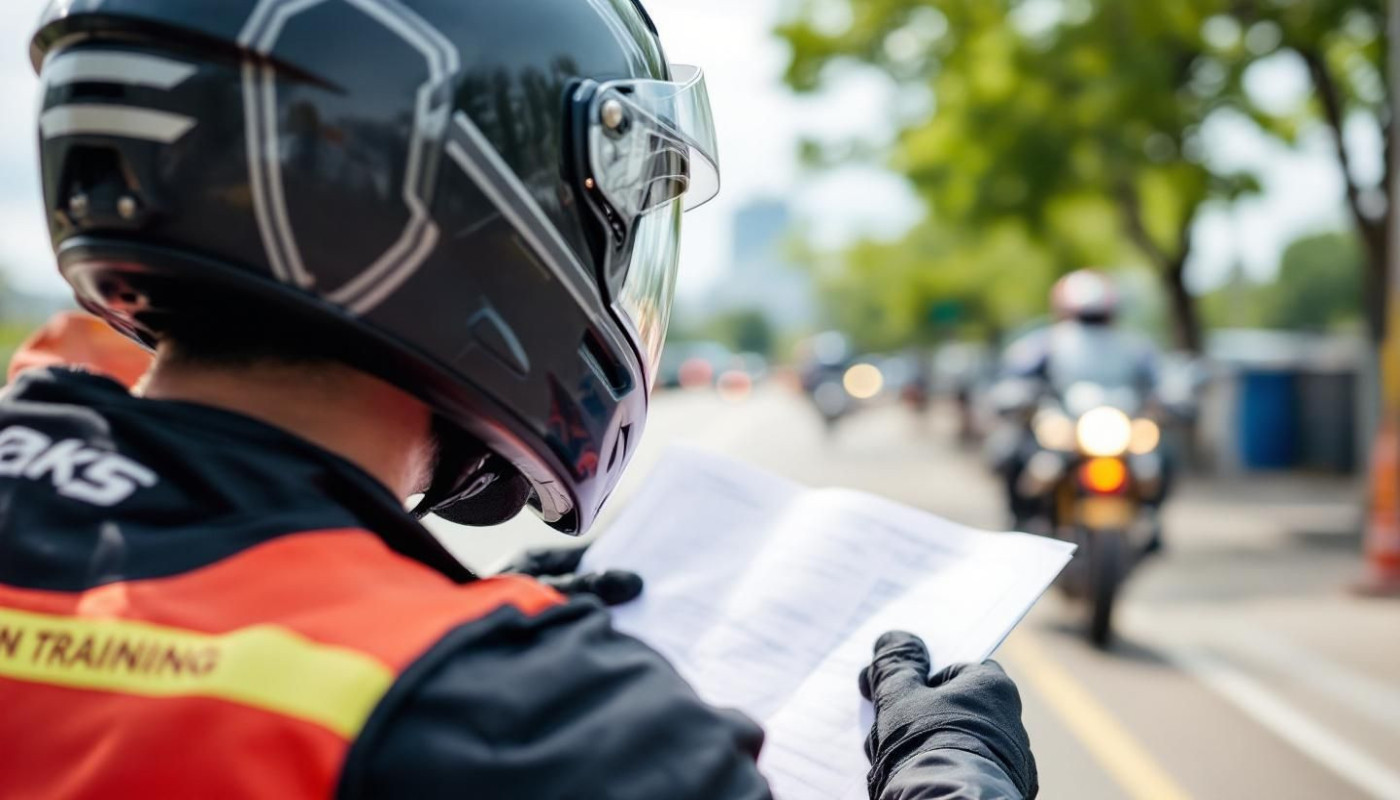
Motorcycle safety is not just about learning the basics once; it’s a continual process that evolves with every ride. Staying updated with regular safety refreshers can make all the difference between a confident journey and a risky adventure. Explore how consistent learning can transform your riding experience, boost your skills, and keep you safe on the road.
Continuous learning for safer rides
Ongoing motorcycle safety refreshers play a pivotal role in helping riders maintain and sharpen their skills, supporting accident prevention and boosting overall rider awareness. Regular training sessions reinforce situational awareness, which refers to a rider’s ability to accurately perceive their environment, anticipate potential hazards, and make rapid, informed decisions in evolving traffic conditions. As traffic patterns and road technologies change, these refreshers allow motorcyclists to adapt their riding skills effectively, keeping pace with modern challenges on the road.
Focusing on hazard perception and defensive riding during these sessions is particularly valuable. Defensive riding involves anticipating the actions of other road users, maintaining safe distances, and positioning oneself strategically to minimize risk. By continually practicing these techniques, riders become more adept at identifying subtle cues—such as a vehicle’s slight movement or a pedestrian’s hesitation—that might signal upcoming danger. This proactive mindset, cultivated through regular motorcycle safety instruction, directly contributes to reducing the likelihood of collisions and ensuring safer journeys.
Expert guidance from a seasoned road safety instructor in these refreshers ensures that motorcyclists receive up-to-date, practical advice grounded in real-world experience. This approach not only helps riders internalize best practices for hazard perception and accident prevention but also fosters a culture of lifelong learning and responsibility. In sum, embracing regular motorcycle safety training is a proactive step that empowers riders to respond confidently to hazards, adapt to unpredictable conditions, and protect themselves and others on every ride.
Reducing common riding mistakes
Revisiting the fundamentals through regular safety sessions enables riders to consistently identify and correct bad habits that often lead to motorcycle accidents. These sessions, led by the top certified motorcycle trainer with proven expertise, focus on addressing common mistakes frequently made by both novice and experienced riders. Examples include relying too much on the rear brake, which can result in loss of control, or misjudging entry speed and line choice when cornering. One technical skill emphasized is countersteering, which refers to the process of pushing the handlebar in the opposite direction of the desired turn to initiate a lean—an essential technique for safe and controlled cornering. By reinforcing core best practices such as scanning for hazards, maintaining proper lane position, and using smooth throttle control, rider training not only improves confidence but directly supports accident reduction. These safety sessions are designed to instill a disciplined approach to riding, systematically addressing the human errors that contribute most to crash statistics.
Many riders fail to recognize how ingrained common mistakes become over time, especially as routine replaces conscious technique. Regular safety sessions break this cycle, providing expert feedback and allowing motorcyclists to re-evaluate their riding style. Emphasis is placed on the risks associated with complacency, such as target fixation, improper gear use, and failing to anticipate other road users’ behavior. The structured approach offered in professional rider training highlights the direct link between ongoing education and accident reduction, encouraging participants to adopt safer habits that persist long after training ends. Through targeted exercises and real-world riding scenarios, these sessions ensure that both novice and seasoned riders leave with actionable strategies to avoid common pitfalls and enhance overall road safety.
Adapting to new laws and vehicles
Staying current with motorcycle laws and evolving traffic regulations is vital for riders seeking to ensure both their safety and legal compliance. Ongoing safety refreshers provide opportunities to learn about updates in legislation that may affect daily riding, such as changes in lane-splitting policies or helmet requirements. These sessions also cover advancements in vehicle technology, which is increasingly relevant as modern motorcycles are now equipped with sophisticated features like ABS (Anti-lock Braking System). ABS prevents wheel lock-up during sudden braking, significantly reducing the risk of skidding and improving handling during emergency stops. Understanding how to utilize such innovations, along with keeping abreast of developments in safety equipment, ensures that riders can fully benefit from protective gear and up-to-date motorcycle models.
Refresher courses are not only about legal literacy but also about mastering compliance with newly introduced traffic regulations. For instance, the introduction of electronic stability controls or updates to emission standards requires riders to adapt their habits and knowledge base. As motorcycle manufacturers continue to integrate advanced safety equipment into their designs, periodic training helps riders adjust to new functionalities and optimize safe operation. Compliance with the latest standards is not just a matter of avoiding penalties, but can also be lifesaving by ensuring that every aspect of the ride adheres to current best practices.
Moreover, vehicle technology is evolving rapidly, and what was standard a few years ago may now be outdated. Features such as advanced lighting systems, tire pressure monitoring, and Bluetooth connectivity have become commonplace, each demanding a fresh understanding to maximize their effectiveness. Regular safety refreshers are the best avenue to stay informed about how these elements influence riding strategy and responses on the road. Riders who remain educated about technological advancements are better prepared to make knowledgeable decisions, particularly in dynamic or unexpected traffic situations.
For riders in Texas, knowledge of state-specific licensing requirements is especially crucial, and accessing guidance from authoritative resources is recommended. the original source offers comprehensive information about Texas motorcycle licensing, making it a valuable reference for anyone seeking to remain compliant and informed. As legislation, vehicle technology, and safety gear continue to advance, regular training remains the foundation for responsible and safe motorcycling.
Boosting rider confidence and enjoyment
Regular safety courses play a pivotal role in enhancing both rider confidence and motorcycle enjoyment by reinforcing skill development and reducing riding anxiety. Through structured safety refreshers, riders revisit core techniques and practice responses to challenging scenarios, effectively building what specialists refer to as muscle memory—a technical term describing the process by which repeated practice leads to automatic, efficient physical responses. Muscle memory ensures that, under pressure, actions such as braking, swerving, or adjusting speed become instinctive, thereby minimizing hesitation and promoting safe riding. As riders become more competent and capable of handling unforeseen situations, their anxiety diminishes, fostering an increased sense of security. This preparedness produces positive psychological effects; riders report heightened enjoyment, greater relaxation during rides, and a lasting sense of satisfaction derived from mastering their machine. Expert-led safety courses not only offer valuable opportunities for skill development but also transform the overall riding experience by making it safer, more confident, and truly fulfilling.
Building a culture of safety
Advocating regular safety refreshers within the motorcycle community plays a pivotal role in fostering responsible riding standards and strengthening collective road safety. When experienced riders actively champion ongoing education, they set a powerful example for newcomers and seasoned motorcyclists alike. This continuous cycle of knowledge sharing supports peer influence, where positive habits and updated best practices are exchanged during both individual rides and group sessions. Group riding protocol, a set of structured guidelines for riding together safely, stands out as a key component. Adhering to this protocol minimizes riding risks by promoting formation discipline, consistent communication signals, and mutual awareness, contributing to smoother journeys and enhanced cooperative behaviour.
When safety refreshers become a community norm, the ripple effects are substantial: accident statistics show marked improvements in regions where these practices are standard. Not only do individual riders benefit from fewer incidents, but the public perception of motorcyclists also shifts positively, countering negative stereotypes with visible responsibility and professionalism. As knowledge circulates through peer learning, the motorcycle community collectively strengthens its reputation as a group dedicated to road safety and ongoing self-improvement, making every ride safer for all road users.
Similar

How Do Payment Innovations Drive Competition Among Sportsbooks?

The Role Of Technology In Advancing Regional Networking Initiatives
How Do Modern On-call Fire Services Enhance Community Safety?

Guide To Navigating Complex Paths In Bird Racing Challenges

Exploring The Appeal Of Carrot-Based Collection Mechanics In Games

Yearly Trends In Player Feedback: What Gamers Are Loving?

How Modern Websites Ensure User Authenticity?

Exploring The Thrills Of Free Virtual Aviation-Themed Games

Exploring Innovative Platforms For Music And Podcast Discovery

Exploring Top Online Platforms For Sports Betting Enthusiasts

How To Integrate Elements Of Japanese Culture Into Daily Life

Maximizing Enjoyment And Safety In Online Gaming
